Sourcing field guide
Specify video data for action recognition
Define observable actions, clip context, and competing labels before sourcing activity footage.
Fiund / Resources
Original guides to video training data: source selection, collection design, annotations, evaluation, and project review.

27 guides shown
Sourcing field guide
Define observable actions, clip context, and competing labels before sourcing activity footage.
Sourcing field guide
Define event starts, ends, overlap, and uncertainty in video annotation.
Sourcing field guide
Match the temporal unit to the prediction task and the evidence a model needs.

Sourcing field guide
Define continuity, session structure, and retrieval needs in longer recordings.

Sourcing field guide
Specify alignment needs and inspect the exact media combination intended for delivery.
Sourcing field guide
Distinguish face visibility, speaking activity, framing, and intended audiovisual uses.
Sourcing field guide
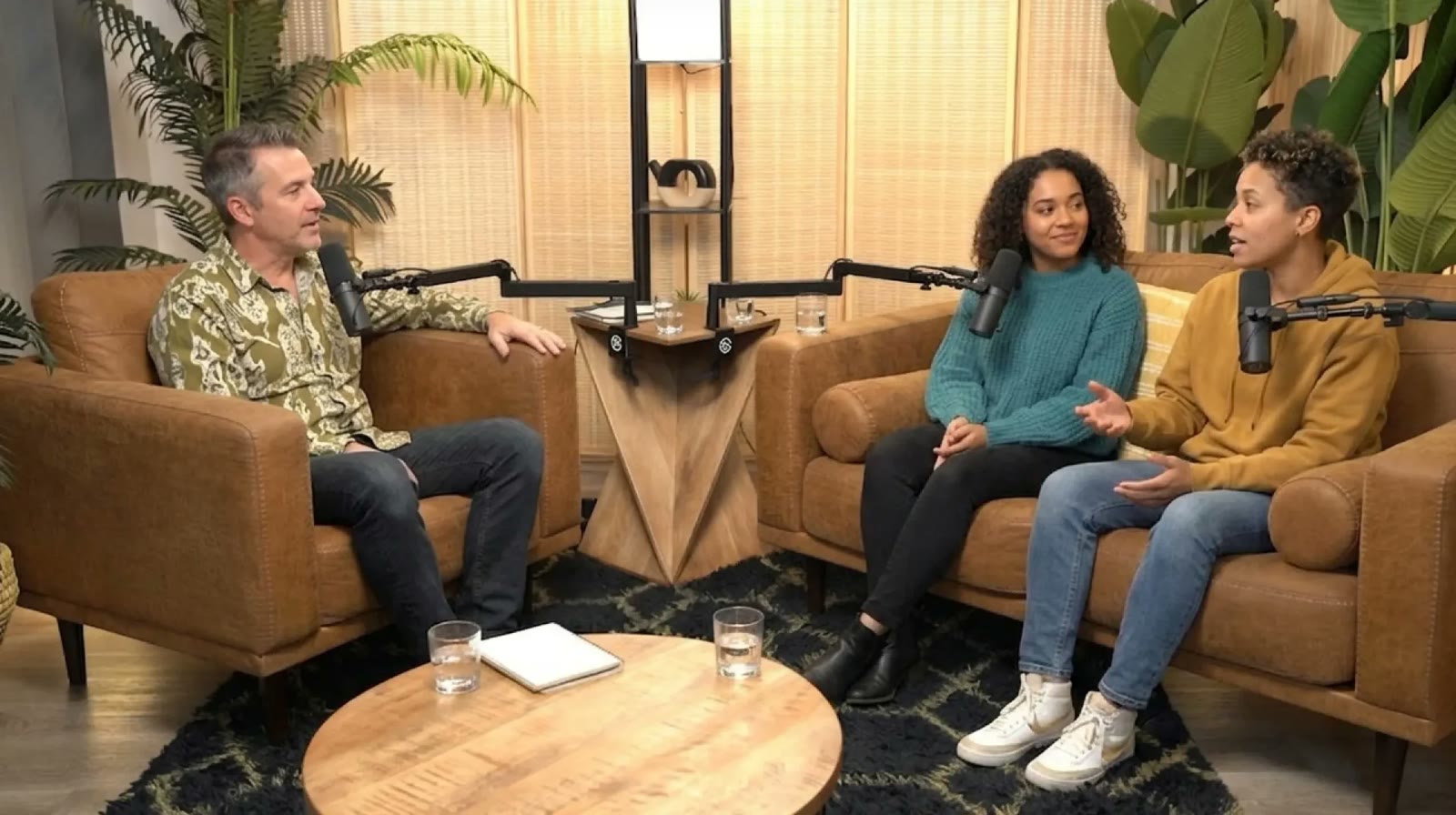
Plan turns, camera layouts, track structure, and conversational context for video projects.
Sourcing field guide
Specify cuts, transitions, camera changes, and inserted material for temporal datasets.
Sourcing field guide
Replace an ambiguous clean-video request with inspectable visual-content rules.
Sourcing field guide
Specify soundtrack and third-party insertions separately from the primary recording.
Sourcing field guide
Distinguish captured timing, delivered timing, and the temporal detail visible in footage.
Sourcing field guide
Specify useful visual detail over time rather than relying on export dimensions.

Sourcing field guide
Understand which version preserves the context, tracks, and relationships your project needs.

Sourcing field guide
Separate decoding failures, missing tracks, and timeline problems from semantic suitability.

Sourcing field guide
Count source coverage honestly while preserving useful related video examples.

Sourcing field guide
Separate source relationships that can otherwise make video evaluation misleading.
Sourcing field guide
Define searchable events, evidence intervals, and relevance judgments for retrieval systems.
Sourcing field guide
Specify event order, visible evidence, and text origin in video-language annotations.

Sourcing field guide
Match temporal evidence requirements to the unit you acquire and annotate.
Sourcing field guide
Build a practical matrix of actions, settings, actors, and temporal variations.
Sourcing field guide
Define tracking, stability, perspective changes, and subject visibility for temporal tasks.

Sourcing field guide
Review full examples, labels, media structure, and source fit before expanding acquisition.
Sourcing field guide
Connect media versions, tracks, clips, labels, and source groups in one reviewable structure.
Sourcing field guide
Understand duration units, continuity, annotations, and review effort without invented price benchmarks.
Sourcing field guide
Compare existing footage and planned capture against temporal, audiovisual, and source requirements.
Sourcing field guide
A sourcing checklist for continuity, encoding, sound, and content exclusions.
Sourcing field guide
Define clip families, source sessions, and participant grouping before separating training and evaluation.
Your project, in focus
Speak directly with Jaeden Schafer at Fiund about the source material, specifications, and review your project needs.
jaeden@fiund.comSource fit, permissions, samples, pricing, and delivery are reviewed for the individual project.
Start with these details