
Sourcing option
Video datasets for action recognition
Scope observable activities, temporal context, and independent source coverage.
Temporal learning · Multimodal models
A moving image is a sequence, not just a stack of frames. Find the right balance of duration, continuity, subject matter, and audiovisual context for your model.
A direct line to Fiund. Source fit and permissions reviewed for your project.
Specify the outcome your model needs.
Keep file meaning and lineage connected.
Agree on evidence and acceptance criteria.
Speak with Jaeden at Fiund.
Original photography
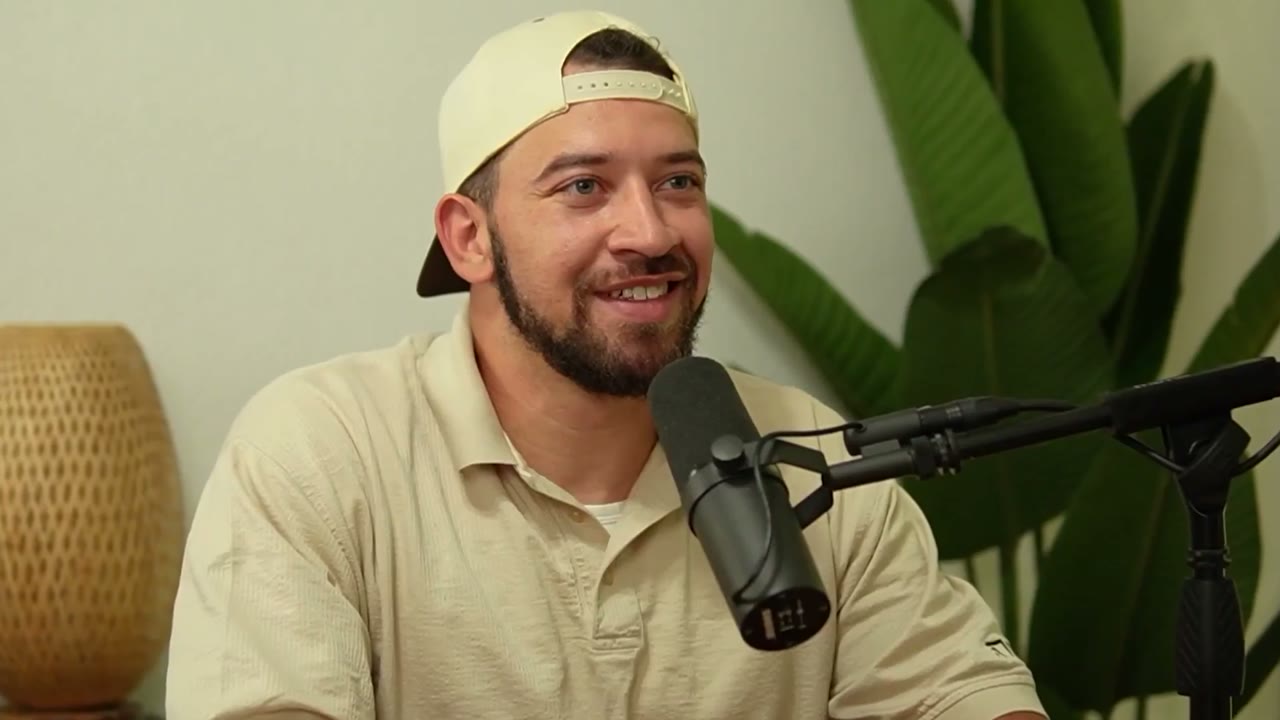
Frames extracted from real recordings preserve the lighting, framing, expressions, and objects the cameras captured. Open a photograph for a closer look.
Real source photographs and video frames. Editorial examples; dataset availability and permitted uses are reviewed separately.View sources & full gallery →
Dataset solutions
Sourcing option
Scope observable activities, temporal context, and independent source coverage.
Sourcing option
Source sequences that preserve event order, state changes, and meaningful dependencies.
Sourcing option
Specify how visible events, speech, and environmental sound should correspond.
Sourcing option
Define active-speaker visibility, conversational formats, and project-specific intended uses.
Sourcing option
Plan searchable sessions, evidence intervals, and reviewable temporal metadata.
Category context
Sequences for action recognition, event understanding, and temporal reasoning. Specify whether you need uninterrupted activities, short clips, or both.
Single-speaker presentations, interviews, and conversation formats. Describe framing, speaker visibility, audio alignment, language, and permitted training uses.
Extended footage for multimodal understanding. Define continuity, scene changes, on-screen text, music, and audio-track requirements instead of relying on duration alone.
Why the details matter
Video sourcing starts with how a model uses time. Recognizing an object, following an interaction, and learning an activity across several minutes call for different material. Video Training Data is a Fiund inquiry site for buyers defining those requirements and exploring suitable footage.
Explore quality & provenance →Specification essentials
Technical scope
Clip length, session length, continuity, and whether cuts or transitions are acceptable.
Resolution, frame rate, codec, aspect ratio, track layout, and synchronization needs.
Subtitles, overlays, watermarks, music, edits, synthetic material, or excluded subjects.
Descriptions, temporal annotations, source grouping, and train/evaluation separation.
Real recordings
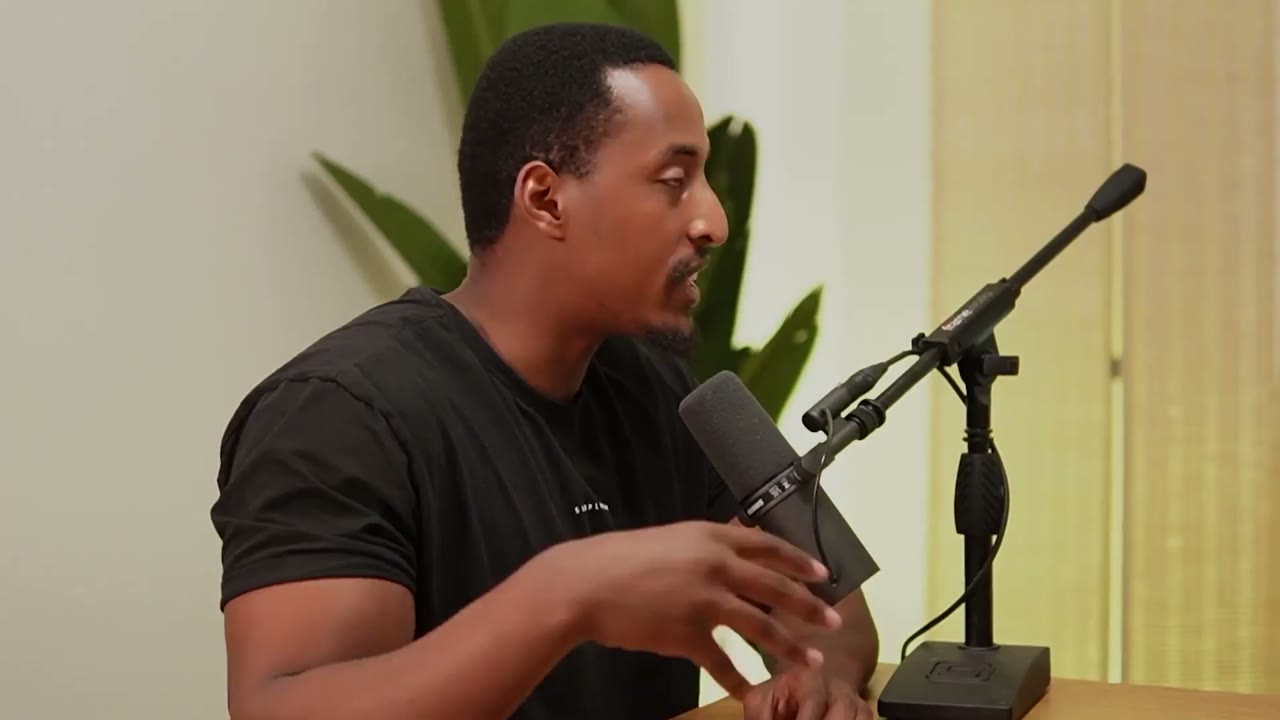
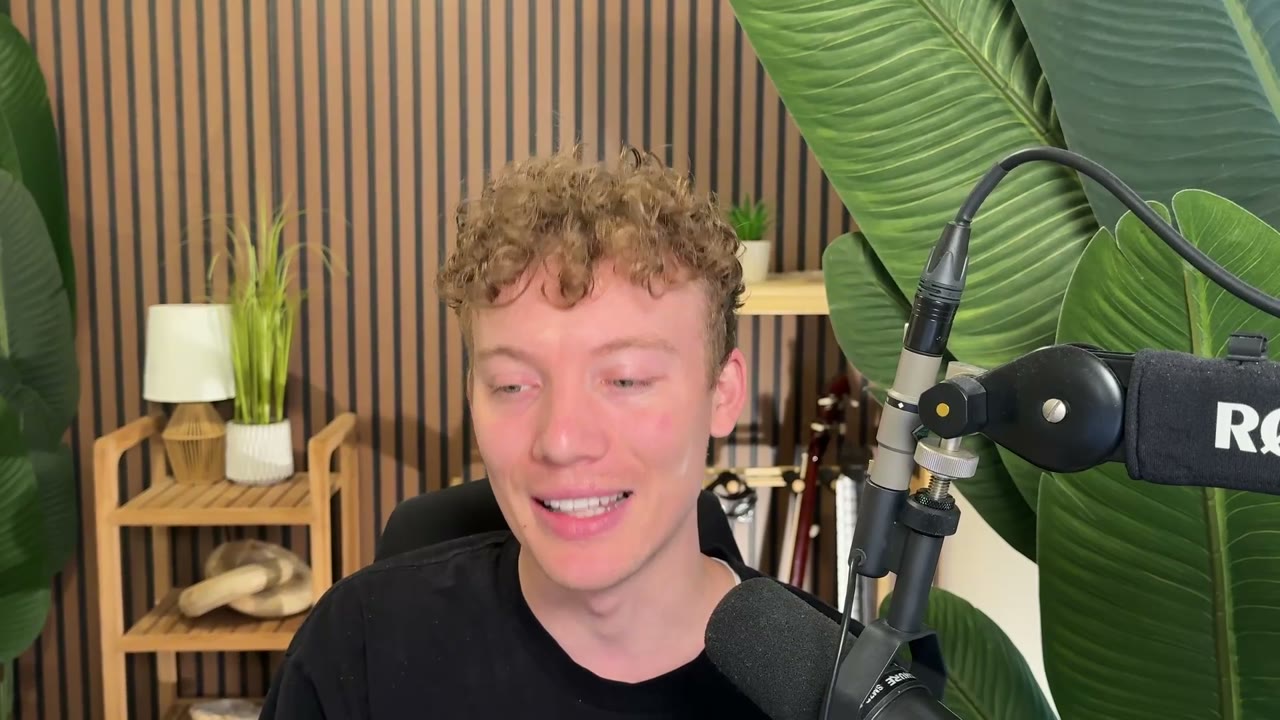
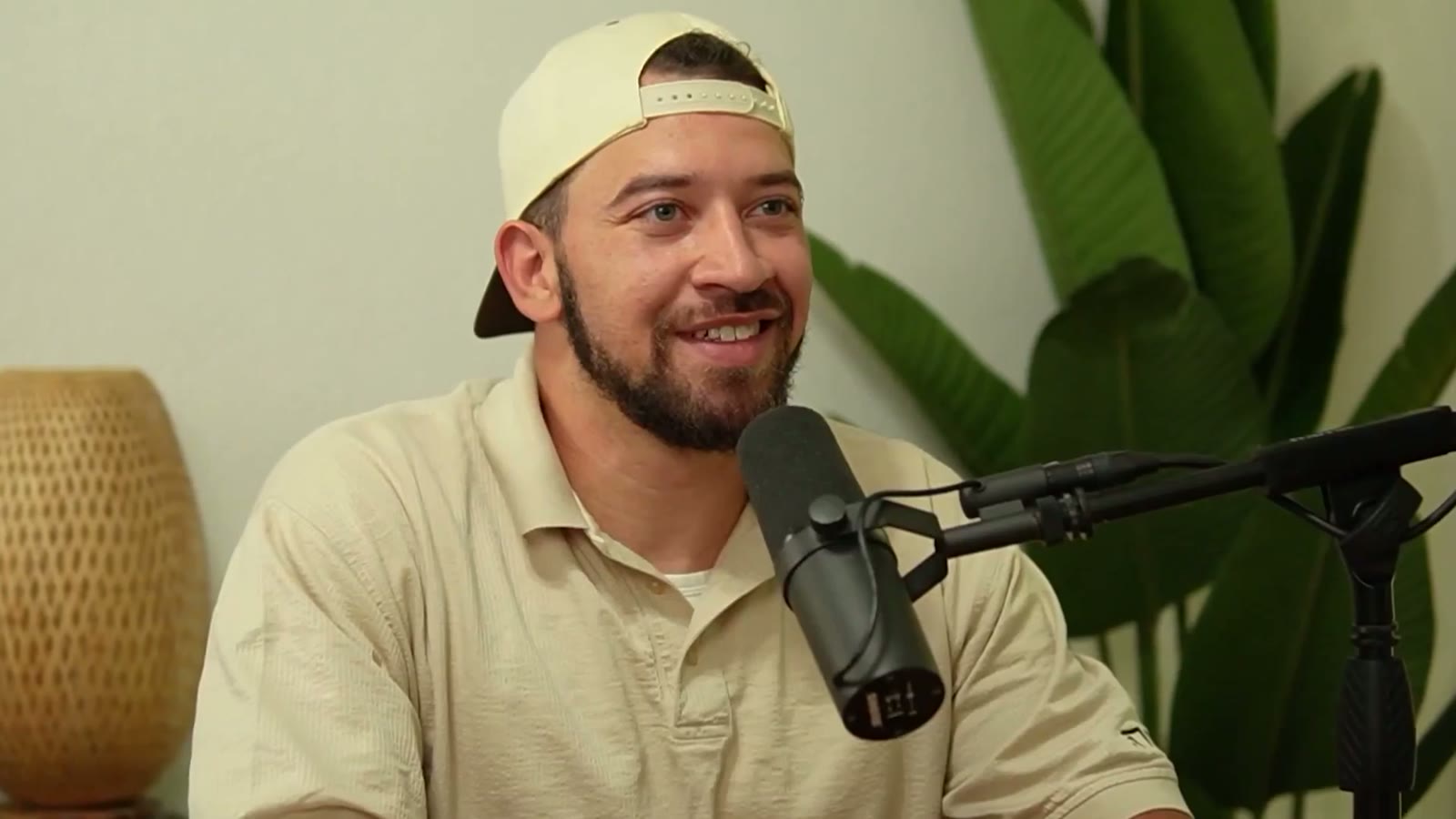
Three short clips from the studio and Jaeden’s Riverside archive. These web excerpts are silent; source audio, timestamps, annotations, and permitted use belong in the project scope.
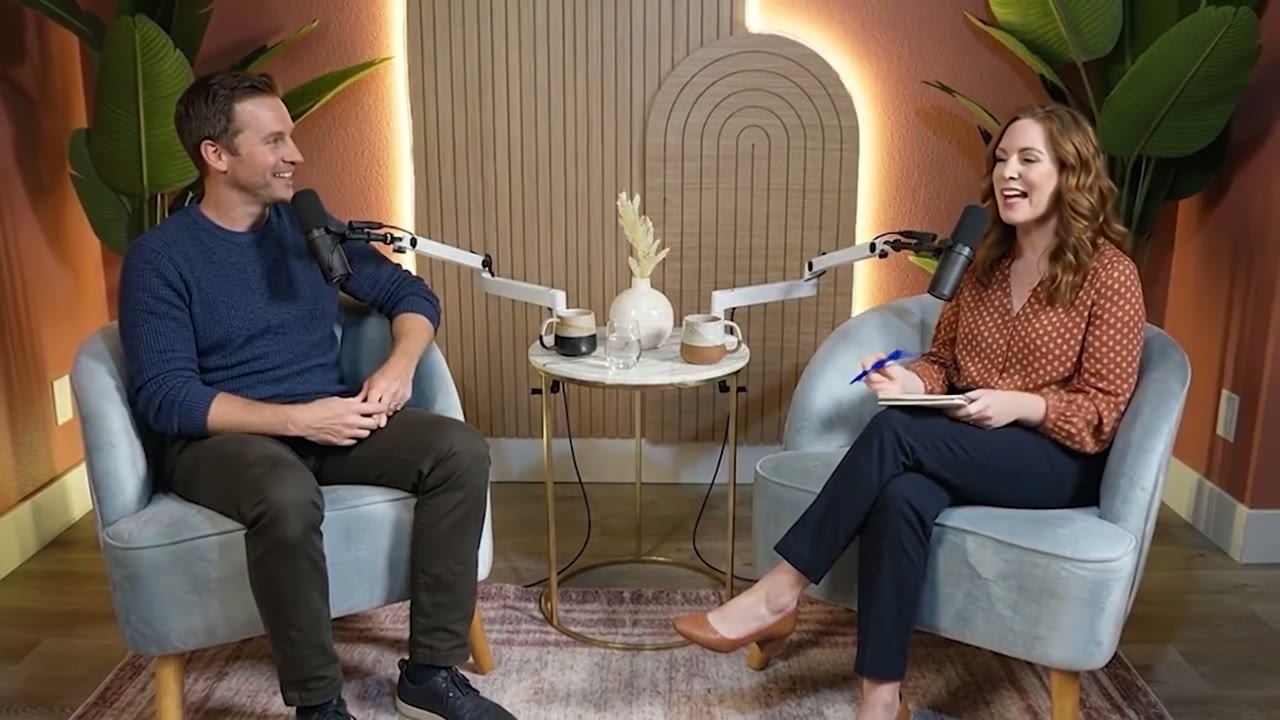
Recorded conversations at Podcast Studio AZ · 14 seconds · silent editorial clip.
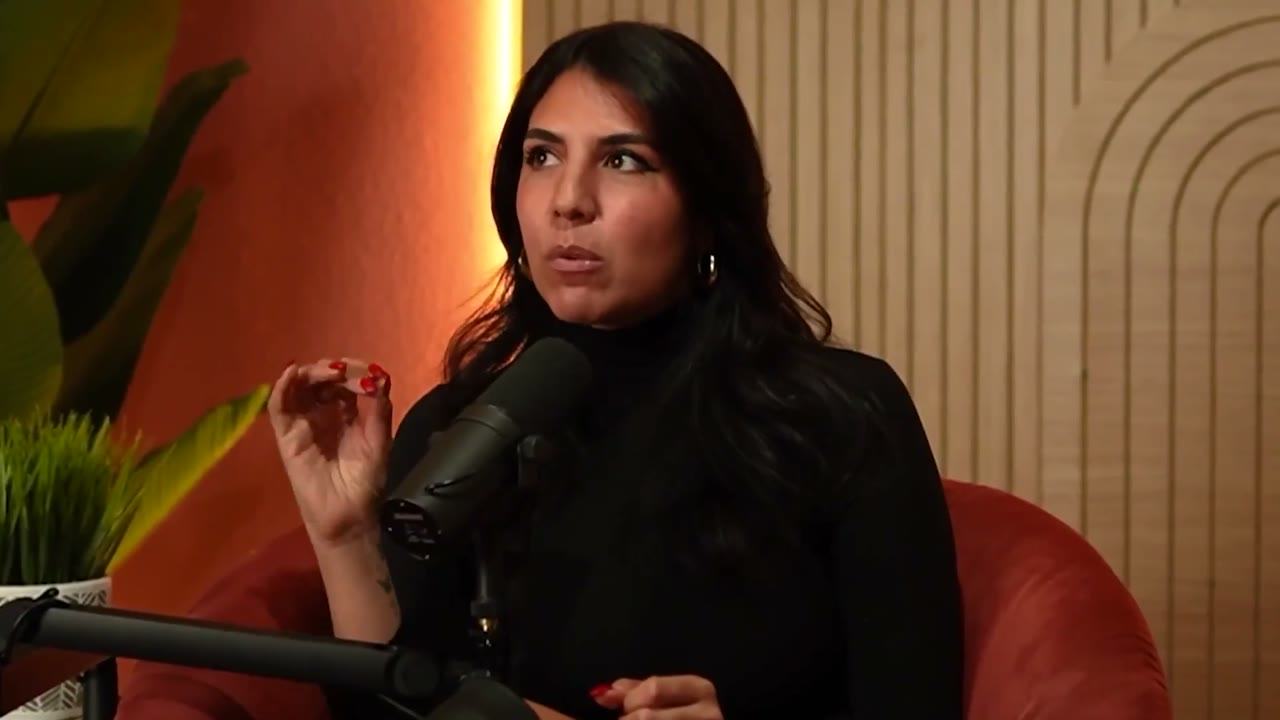
Jaeden’s original Riverside recording · 15 seconds · silent editorial clip.
Jaeden’s original Riverside recording · 15 seconds · silent editorial clip.
Recorded voice
Real solo podcast speech from Jaeden’s July 2, 2025 recording. Editorial audio example; not a telephone call or an advertised training-data sample.
Today on the podcast, I wanted to do a big update on xAI, some things happening over at X, as I think this is a pretty significant amount of money that has just been put into the ecosystem.
How sourcing works
Video sourcing starts with how a model uses time. Recognizing an object, following an interaction, and learning an activity across several minutes call for different material. Video Training Data is a Fiund inquiry site for buyers defining those requirements and exploring suitable footage.
Model task and content categories; Desired duration and total volume; Video and audio specifications; Overlays, edits, and content exclusions; Commercial use, sample criteria, and timing. These details establish the project’s review criteria and reveal where further clarification is needed.
Discuss which existing sources or collection approaches could address the brief. Identify access constraints, source documentation, and unanswered permission questions before treating a category as usable inventory.
Where appropriate material can be shared, agree on handling and inspect it against the specification. Record defects, coverage gaps, and annotation questions against exact source identifiers.
Confirm the selected material, intended uses, preparation work, acceptance criteria, commercial terms, and delivery arrangements in a project-specific agreement.
Check file references, manifests, documented processing, and accepted exceptions. Keep permission review and technical acceptance explicit, and resolve open issues before the collection is treated as approved for the intended use.
Field notes
Resource guide
Define observable actions, clip context, and competing labels before sourcing activity footage.
Resource guide
Define event starts, ends, overlap, and uncertainty in video annotation.
Resource guide
Match the temporal unit to the prediction task and the evidence a model needs.
Resource guide
Define continuity, session structure, and retrieval needs in longer recordings.
Resource guide
Specify alignment needs and inspect the exact media combination intended for delivery.
Resource guide
Distinguish face visibility, speaking activity, framing, and intended audiovisual uses.
Common questions
Yes. Include that requirement and specify whether watermarks, scoreboards, lower thirds, logos, and embedded captions are all excluded. These are different properties and should be checked on representative samples.
You can inquire about either. Existing archives may have capture limitations; a custom collection requires an agreed brief. Jaeden will discuss fit and feasibility before presenting any delivery commitment.
Do not assume that. Tell us your intended use and discuss the relevant source permissions, participant considerations, and third-party material as part of the project review.
Your project, in focus
Speak directly with Jaeden Schafer at Fiund about the source material, specifications, and review your project needs.
jaeden@fiund.comSource fit, permissions, samples, pricing, and delivery are reviewed for the individual project.
Start with these details